Literary Fiction
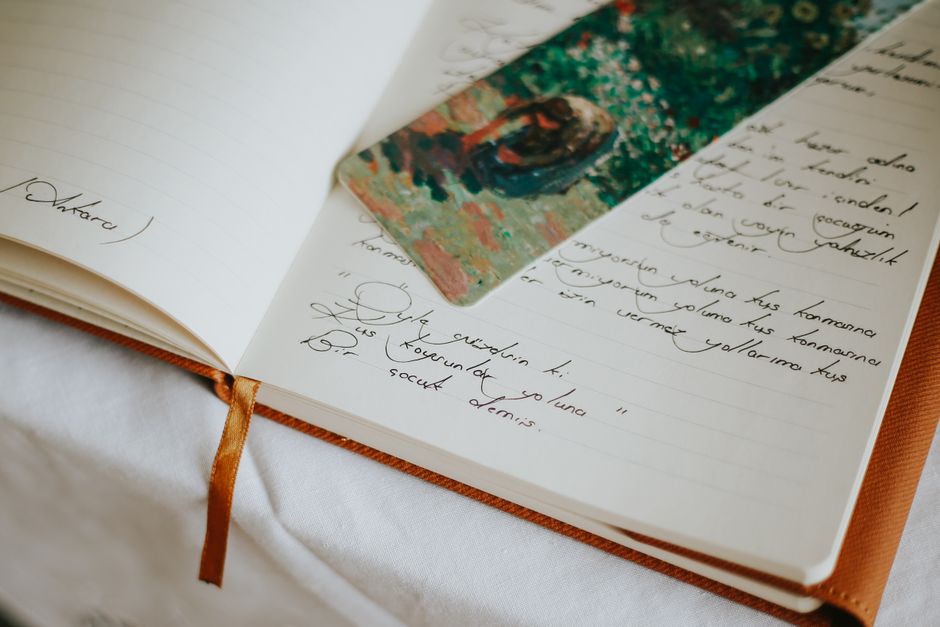
Somewhere along the way, rhyme became embarrassing. In workshops and anthologies, a poem that rhymes can be met with a raised eyebrow, as if the poet had shown up to a formal dinner in a costume. And yet the poems that live in our bodies—the ones we murmur at funerals, at weddings, in hospital corridors—almost always rhyme. There is a reason for that, and it is not nostalgia.
Rhyme and meter are memory technologies. Long before books were common, verse was how a culture stored what it could not afford to lose: law, genealogy, prayer, lament. The rhythm does half the work of remembering for you. When Auden writes "Stop all the clocks, cut off the telephone," the iambic pulse carries the grief even before the meaning lands. The form is not decoration. The form is the argument.
Writers sometimes speak of formal poetry as a cage, but a better metaphor is a net. Constraint catches things that free verse, in its openness, lets slip past. When you must find a word that rhymes with "stone" and also means what you need it to mean, you are forced into unexpected corners of the language—and sometimes those corners contain the truest line in the poem. Robert Frost famously said that writing free verse is like playing tennis without a net. He was being mischievous, but he was also right that the net changes the game.
This is not an argument against free verse, which has given us some of the finest poems of the last century. It is an argument against the assumption that form is inherently conservative or unserious. A villanelle can be devastating. A sonnet can be furious. Gwendolyn Brooks used strict form to hold the rawest material of urban life, and the tension between the two is precisely what makes the poems burn.
If you have been trained to distrust rhyme, here is a way back in. Read the poem aloud. Do not stop at the line break; follow the sentence. Notice where the rhyme falls and whether it satisfies or unsettles you. A good poet uses rhyme the way a composer uses cadence—sometimes to close a thought, sometimes to slam a door, sometimes to let it swing open into the next stanza. Ask yourself what the rhyme is doing, not whether it is clever.
Then try writing one. Not for publication, not for anyone. Just to feel how the constraint sharpens your attention. You may find that the poem you were trying to write for years arrives the moment you give it a shape to inhabit. The winding stair of poetry has many landings, and the old ones are still worth climbing.
